
Blog
Post-Purchase Engagement: Cut Subscription Box Churn
Learn how to build a post-purchase engagement loop that reduces churn and boosts customer lifetime value for your subscription box business.
Summary
Subscription box businesses face a common challenge: high churn rates averaging over 10% monthly, which erodes customer lifetime value and increases acquisition costs. While most owners fixate on the first box, the real retention opportunity lies in a structured post-purchase engagement loop. This article presents a four-step system to keep subscribers delighted beyond the welcome box: personalize the onboarding, schedule data-driven follow-ups, add surprise upgrades, and foster community. Each step includes practical examples, from using quiz responses to curate follow-up emails to inserting small gifts in third-month shipments. We also cover common pitfalls like over-personalization and budget creep. Implement these tactics to transform one-time buyers into loyal subscribers who stay for months.
The Post-Purchase Engagement Loop: Your Subscription Box's Retention Engine
You've invested heavily in customer acquisition. A targeted ad, a compelling landing page, a seamless checkout—and a new subscriber. But then? Too many subscription box owners wait passively for the next billing cycle, crossing their fingers that the customer doesn't cancel. That approach is why the average churn rate for subscription boxes hovers around 10.54% per month. When customer lifetime value (CLV) is your north star, every percentage point lost is a direct hit to profitability. The solution isn't just a better first box—it's a deliberate post-purchase engagement loop that starts the moment the payment clears.
Step 1: Personalize the Onboarding Experience
The first 30 days after sign-up set the emotional tone for the entire relationship. General welcome emails won't cut it. Instead, use the data you collected during sign-up—preferences, style, skin type, hobbies—to craft a personalized onboarding sequence.
- Example: A skincare subscription box sends a "Your Skin Profile" email that recaps the quiz answers and explains why each product in the first box was chosen. Then, a day after delivery, they send a follow-up asking for a photo or rating of the first product.
- Why it works: It validates the customer's decision and makes the unboxing feel tailored. As detailed in our guide on the first-box unboxing strategy, that moment is your best chance to create a shareable experience.
- Caveat: Avoid info overload. Two to three highly relevant emails over the first week are better than a daily barrage.
Step 2: Schedule Data-Driven Follow-Ups
Once the onboarding glow fades, subscribers need consistent, valuable touchpoints that don't feel like spam. Instead of sending the same generic newsletter, segment your list based on behavior—purchase history, engagement with emails, and product feedback.
- Example: A coffee subscription tracks which roasts a subscriber rates highly. After three months, they send a "We noticed you loved the Ethiopian blend—here's a limited batch just for you" offer, with a one-click upgrade.
- Practical step: Use your CRM to create trigger-based emails: after a box is delivered, after a pause is lifted, or after a cancellation attempt. Research shows that timely, relevant follow-ups can reduce churn by up to 30%.
- Caveat: Don't over-automate. A call to a high-value subscriber who paused is far more effective than an automated "We miss you" email.
Step 3: Add Surprise and Delight Elements
Predictability kills excitement. The most successful subscription boxes weave surprise into the experience—not just in the first box, but as a recurring feature. The goal is to create positive moments that subscribers look forward to and share on social media.
- Example: A snack box includes a hand-written thank-you note in the third month, plus a bonus sample of a new product. Another box inserts a small envelope with a discount code for the brand's online store, valid only for active subscribers.
- Why it works: Surprise triggers dopamine and strengthens emotional connection. It also gives subscribers content to post—user-generated content is one of the cheapest forms of marketing.
- Caveat: Budget wisely. A small surprise per box should cost no more than 5-10% of your product cost. Test different types (gifts, notes, upgrades) and measure their impact on retention.
Step 4: Build a Community Around Your Box
Subscribers who feel they belong to a group are far less likely to leave. A community can be a private Facebook group, a members-only website, or even a newsletter that features subscriber stories. The key is to make it easy for members to interact with each other and with your brand.
- Example: A fitness subscription box creates a monthly challenge in its private group, with prizes for completing workouts. Members post photos of the products in use, ask questions, and share tips. The brand uses this feedback to curate future boxes.
- Practical step: Use your CRM to segment engaged community members and invite them to beta-test new products. Using customer data to personalize community interactions, as discussed in our article on turning data into retention gold, can deepen engagement and turn fans into advocates.
- Caveat: Community management takes time and effort. Assign a dedicated person or use scheduling tools. Don't launch a group if you can't post daily—empty groups hurt more than they help.
Common Pitfalls to Avoid
- Over-personalization that feels invasive – Using data for good is fine; mentioning a subscriber's browsing habits in an email can creep them out. Stick to data they explicitly gave you.
- Ignoring the unsubscribe signal – If a subscriber pauses or cancels, respond with a human touch. A simple "We're sorry to see you go—here's a 20% off code if you want to come back" can win back 10-15% of churned customers.
- Neglecting fulfillment quality – Even the best engagement loop fails if boxes arrive late or damaged. Reliable fulfillment is table stakes. Consider partnering with a 3PL to handle logistics so you can focus on retention.
Conclusion
Churn doesn't have to be your subscription box's nemesis. By building a post-purchase engagement loop that starts with personalized onboarding, continues with data-driven follow-ups, injects surprise, and fosters community, you can dramatically increase CLV and turn subscribers into brand evangelists. Start with one step—perhaps improving your first-week emails—and iterate from there. Each small improvement compounds into a loyal, long-term customer base.
Remember, the best time to prevent churn is before the customer ever thinks about canceling. Build the loop, measure the results, and watch your retention soar.
Sources (5)
- Subscription Box Market Opportunity, Growth Drivers, Industry Trend Analysis, and Forecast 2025-2035
- Subscription Box Trends 2024
- Subscription Box Boom: Unveiling the Growth Trends of 2024
- Reduce Your Subscription Box Churn Rate
- Optimizing Customer Retention Strategies for Subscription Box Businesses with CRM
Keep reading
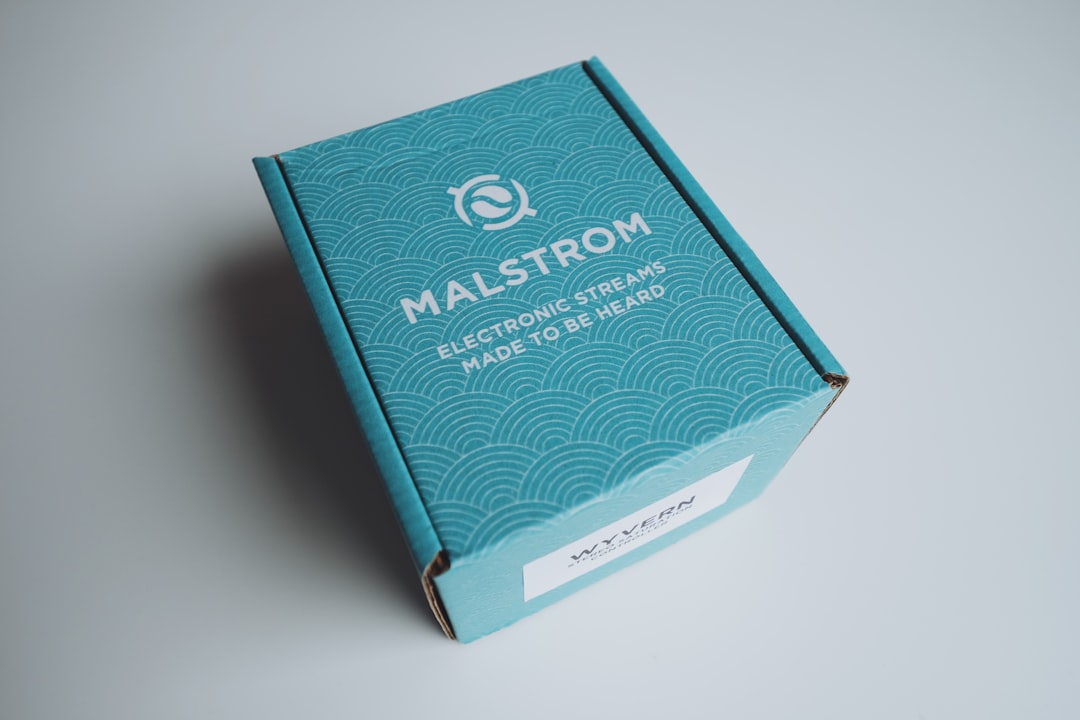
Cut Churn in Half: The First-Box Unboxing Strategy for Curation Subscription Boxes
Learn how to design a first-box unboxing experience that hooks subscribers and cuts churn by 50% using personalization, unexpected extras, and data-driven follow-ups.
Turn Customer Data into Retention Gold for Your Subscription Box
Stop letting customer data gather dust. This 5-step strategy transforms surveys, purchase history, and feedback into personalized experiences that slash churn and boost lifetime value.

5 Myths About Running a Subscription Box (and What Actually Drives Retention)
Debunking the five most dangerous assumptions solo subscription box operators make about churn, unboxing, personalization, and fulfillment.

The 7-Point Retention Audit for Any Subscription Box Client
Run this seven-point audit to find the real reason any subscription box client is losing subscribers.

Why Your Subscription Box Churn Isn't a Price Problem (Yet)
Before you cut prices or add discounts, check the real driver of churn: the gap between the unboxing experience and the ongoing value. Here's how to diagnose it and what to do.

Why You Should Let Subscribers Pause (and How to Sell It to Your Boss)
A pause or skip option isn't a revenue leak—it's a retention tool. Learn how to make the case with data and a low-cost experiment.