
Blog
Why Your Subscription Box Churn Isn't a Price Problem (Yet)
Before you cut prices or add discounts, check the real driver of churn: the gap between the unboxing experience and the ongoing value. Here's how to diagnose it and what to do.

Summary
When subscription box churn ticks up, the first instinct on a small team is to blame pricing and reach for a discount. But churn is rarely a price problem in the first few months; it is usually a value-perception problem caused by a mismatch between the promise of the unboxing experience and the repeatability of the box. This article walks through how to diagnose the real cause of churn, how to tell the difference between someone who leaves because the box isn't worth it and someone who leaves because the relationship felt transactional, and how to fix the leak without slashing revenue. It gives practical, evidence-based steps for improving onboarding, engagement, and the perception of value, and it addresses the objections you will hear from a non-technical boss who wants a quick fix. The goal is to reduce churn and protect the lifetime value that keeps a subscription business alive.
You have been working on a subscription box business for six months, and the numbers are starting to look like a story you have heard before: new signups are fine, but the subscribers who join this month are not the ones who will still be here in three. Your boss sees the churn chart trending up and says, "We need to discount the box, or maybe offer a cheaper tier." You freeze, because you know that cutting price is like cutting the floor out from under the whole business model. But you also don't have a better answer ready.
Here's the thing: churn is rarely a price problem in the first few months. It is usually a value-perception problem, and it starts before the subscriber even opens the box. The unboxing experience sets the expectation for the entire relationship, and if that expectation is not met by the third or fourth box, the subscriber is gone. You can discount your way to more signups, but you cannot discount your way to retention. Let's walk through the reasons you might be resisting this diagnosis, and what to do about each one.
"But our box is full of great products — the problem must be the price"
It is very easy to look at your own box and see the retail value of what is inside. You have done the math: the products add up to more than what you charge, so a subscriber should feel like they are getting a deal. But subscribers do not cancel because the products are objectively not worth the price. They cancel because the experience of receiving the box stops feeling like a discovery and starts feeling like a transaction.
Think about the difference between the first unboxing and the fourth. The first box is a promise: a curated discovery of products we chose for you. The fourth box is a delivery: a cardboard box with stuff in it. That shift is not about price. It is about the erosion of the perceived value, and it happens when the unboxing experience is treated as a one-time event rather than a recurring ritual.
The unboxing experience matters because it is the moment where the subscriber's expectations meet the reality of your curation. It is the touchpoint that influences brand perception, encourages social sharing, and fosters loyalty. If the unboxing is just a box, you are telling the subscriber that the relationship is just a transaction — and transactions are easy to cancel. The best way to fix the price objection is to stop talking about the price and start talking about the experience that the price buys.
"We don't have time for a fancy unboxing"
On a small in-house team, every hour you spend on packaging design is an hour you are not spending on product sourcing, customer service, or marketing. It feels like a luxury. But unboxing is not a luxury; it is the most cost-effective retention tool you have.
The unboxing experience doesn't have to be a theatrical production. It can be a simple card that explains why each product was chosen for this subscriber, or a small insert that points to the story behind the brand. The key is not the cost of the packaging; it is the signal of care. When a subscriber feels that a human being thought about what they would like, the box becomes a conversation instead of a delivery.
You can start small. The next time you pack a box, include a handwritten-style note that names two things about the subscriber's preferences and how the products fit them. It will not fix churn by itself, but it will buy you enough time to fix the real problem: the curation itself.
"If I let people pause, they will never come back"
This is the fear that keeps many subscription businesses from offering flexible options. It sounds logical: if you give people an exit, they will take it. But the opposite is true. Subscribers who are given the option to pause a shipment are more likely to stay in the relationship, because pause prevents the cancellation. When someone is going through a busy month or a tight budget, the choice is not between pausing and staying; it is between pausing and canceling. Pause gives them a way to stay without paying.
The same logic applies to skipping. If a subscriber can skip a month when they have too much product, they will not feel the need to cancel. The subscription becomes a relationship with flexible boundaries rather than a contract with a punishment for leaving. And that flexibility is exactly what makes the relationship feel human.
If your boss is worried that pause will kill revenue, remind them that a paused subscriber is not a canceled subscriber. A paused subscriber can be brought back with a well-timed offer, while a canceled subscriber has to be acquired all over again — and acquisition costs are high. A pause is a discount on revenue that goes to zero if the subscriber leaves, and it buys you time to bring them back. This is a nuance that matters: pause is not a free pass to stop marketing. It is a strategic lever that, when used well, protects the relationship. If you want to sell this idea to a skeptical boss, the argument is about the cost of re-acquisition versus the cost of a paused month. The retention case for your boss is built on exactly this kind of comparison.
"Our churn is just high because our niche is competitive"
It is true that the subscription box market is crowded and growing. The market is substantial and projected to grow, with the US market valued at $5.83 billion in 2024. But you are not competing with every other box; you are competing with the subscriber's memory of their own experience. And that experience is shaped by what happens after the purchase, not just by what is in the box.
A retention strategy that relies on the quality of the products alone is fragile, because product quality is subjective and easily forgotten. What persists is the feeling of being known. When a subscriber feels that the box is personally relevant to them, they are not just buying products; they are buying a relationship. Personalization is crucial, and it can be achieved through questionnaires at signup or through analysis of purchase history. The box should feel like it was chosen by someone who knows the subscriber.
This is where a CRM becomes valuable. A simple system that tracks what each subscriber has received, what they have skipped, and what they have engaged with allows you to send targeted messages and personalized offers. You do not need a complex tech stack; you need a system that helps you remember your subscribers as individuals. A subscriber who receives a message that references their actual preferences is a subscriber who feels seen, and feeling seen is the opposite of feeling like a transaction.
The contrarian truth here is that personalization can be a trap if you treat it as a one-time effort. Ask too much at signup and you will annoy people; ask nothing and you will send generic boxes. The right approach is to collect a little information at signup, and then learn more from behavior over time. The box you send in month three should be better than the box you sent in month one, not because you guessed better, but because you learned. This is a nuance most articles skip: personalization is not a feature you launch; it is a muscle you build. If you want to dig deeper into the failure mode, the personalization trap is a good follow-up.
"We can't afford a CRM — that's for big companies"
You are not wrong that a full CRM suite is overkill for a small team. But you are wrong to think that a CRM is the only way to use customer data. The insight behind a CRM — that you should track who your customers are and what they do — can be managed in a simple spreadsheet when you are small. The point is not the tool; the point is the habit.
If you track nothing else, track two things: how long subscribers stay, and what they say when they cancel. The first tells you where your churn is concentrated. The second tells you why. If every cancellation reason is "too much product," you have a curation problem, not a price problem. If every reason is "not a fit," you have an onboarding problem — your marketing is attracting the wrong people. If the reasons are vague — "just not using it" — you have an engagement problem. The strategies for each are different, and discounting fixes none of them.
To make this concrete, consider a common pattern. A subscriber signs up, receives a box that is beautifully presented, and shares it on social media. They are excited. The second box arrives, and it is fine. The third box arrives, and it is not fine. Nothing is wrong, exactly, but the magic is gone. By the fourth box, they are asking themselves whether they really need this. They cancel.
This pattern is not about price. It is about the failure to build a relationship after the initial excitement wears off. The fix is to make the relationship intentional. After the first box, ask about the subscriber's experience. After the second, share the story of a product. Before the fourth, send a message that references a product they loved. These are small touches, but they are the difference between a subscription and a relationship.
"We need to show our boss a quick win"
This is the most difficult objection, because it is legitimate. A non-technical boss wants to see the churn number go down, and they want to see it go down this quarter. Slowing down to improve the unboxing experience does not look like a quick win. But there is one change you can make that is both quick and effective: change the messaging around pause and skip.
Instead of burying the option in the account settings, mention it in the confirmation email and on the "manage subscription" page. Tell subscribers they can pause or skip a month whenever they need it, no questions asked. This is not a promotion; it is a permission slip that builds trust. A subscriber who knows they can pause is a subscriber who feels safe to stay. And a subscriber who feels safe is less likely to cancel in a moment of budget anxiety.
This is also the place to be honest about the tradeoff. If you make it easier to pause, some people will pause who would have just paid. But in exchange, you will convert some cancellations into pauses, and pauses are recoverable. The math usually works in your favor, because it costs far less to win a subscriber back from a pause than to acquire a new one. The next time your boss suggests a discount, propose a test: for the next two months, make pause and skip prominent, and track how many paused subscribers return. Then compare that to the cost of the discount you would have offered. The comparison will be persuasive. The case for letting subscribers pause gives you the language to make that argument stick.
Turning the diagnosis into a plan
The reason churn is not a price problem is that price is a statement about what you charge, but churn is a statement about what the subscriber feels they are getting. The gap between the experience you promise and the experience you deliver is the gap where churn lives. The unboxing experience is not a cost center; it is the moment where that gap is either confirmed or closed. The relationship after the box is the moment where the subscriber decides if they are a customer or a guest.
The practical steps follow from the diagnosis. First, look at your cancellation reasons and your retention curve. Figure out whether you have an onboarding problem, a curation problem, or an engagement problem. Second, make a small investment in the unboxing experience, starting with a note that shows you know the subscriber. Third, make pause and skip prominent and easy. Fourth, track the small data points that tell you who is staying and why they are leaving. And fifth, when your boss asks for a discount, bring this comparison instead.
This plan does not require a budget increase or a complex tech stack. It requires a shift in attention from the price on the box to the relationship around it. The subscription box market is growing, but the winners will not be the ones who charge the least; they will be the ones who make the subscriber feel most known. That feeling is not a discount. It is a distinction.
Sources (5)
- Subscription Box Market Opportunity, Growth Drivers, Industry Trend Analysis, and Forecast 2025-2035
- Subscription Box Trends 2024
- Subscription Box Boom: Unveiling the Growth Trends of 2024
- Reduce Your Subscription Box Churn Rate
- Optimizing Customer Retention Strategies for Subscription Box Businesses with CRM
Keep reading
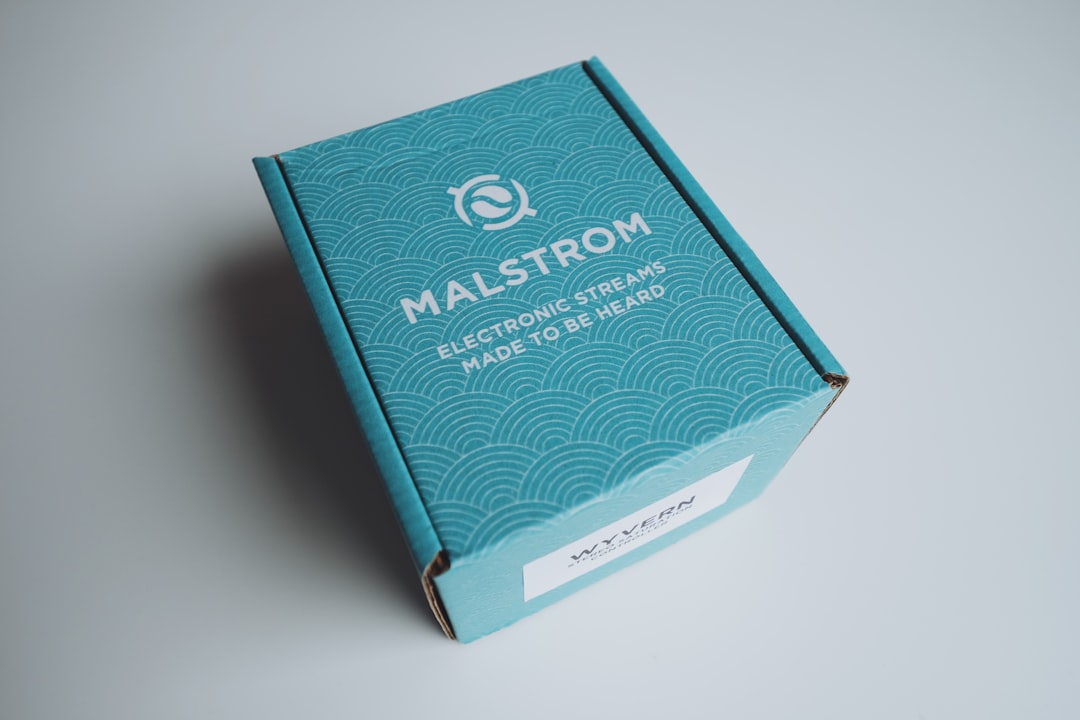
Cut Churn in Half: The First-Box Unboxing Strategy for Curation Subscription Boxes
Learn how to design a first-box unboxing experience that hooks subscribers and cuts churn by 50% using personalization, unexpected extras, and data-driven follow-ups.

Turn Customer Data into Retention Gold for Your Subscription Box
Stop letting customer data gather dust. This 5-step strategy transforms surveys, purchase history, and feedback into personalized experiences that slash churn and boost lifetime value.

5 Myths About Running a Subscription Box (and What Actually Drives Retention)
Debunking the five most dangerous assumptions solo subscription box operators make about churn, unboxing, personalization, and fulfillment.

The 7-Point Retention Audit for Any Subscription Box Client
Run this seven-point audit to find the real reason any subscription box client is losing subscribers.

Why You Should Let Subscribers Pause (and How to Sell It to Your Boss)
A pause or skip option isn't a revenue leak—it's a retention tool. Learn how to make the case with data and a low-cost experiment.

First-Box Churn Isn't a Marketing Problem
A pause button, an honest quiz, and a dollar-based pitch will fix first-box churn faster than any AI engine.